Devonport residents, along with other Aurora Energy customers across North-West Tasmania, are now seeing an average 4.23 per cent increase in their regulated standing offer electricity prices, effective from July 1, 2026. The price adjustment, approved by the independent Tasmanian Economic Regulator on June 25, 2026, is set to add an estimated $108 annually to the bill of a typical residential customer on Tariffs 31 and 41, and $113 for those on time-of-use Tariff 93.
The Tasmanian Economic Regulator’s determination for the 2026-27 financial year reflects a range of cost pressures impacting the broader Australian energy system. Key drivers behind the increase include higher network costs, which have seen individual network tariff rates rise between 6 and 13 per cent compared to the previous year. Wholesale electricity market volatility and general inflationary pressures affecting the energy sector also contributed to the decision.
However, these increases were partially offset by a reduction in renewable energy costs, which decreased by 41.3 per cent, and a net benefit from the new regulated Basslink component. Aurora Energy is also continuing its strategy to move towards more cost-reflective tariffs, addressing historical cross-subsidies and imbalances through non-uniform price adjustments across its tariff base.
Despite the increase, the Tasmanian Government and the Economic Regulator maintain that Tasmania’s electricity prices remain among the lowest in the nation. Treasurer Eric Abetz noted on June 25, 2026, that household electricity prices in Tasmania have fallen in real terms over the past 12 years, meaning price movements have been lower than inflation and many other essential household costs.
The regulated standing offer serves as a price ceiling, meaning it represents the maximum amount a customer will pay. Tasmanians are encouraged to explore competitive offers from other retailers in the market to ensure they are securing the best possible deal for their power. Additionally, support remains available for vulnerable households through various government concessions and cost-of-living assistance measures, with the 2026-27 Budget allocating approximately $370 million over four years for over 100 different types of concessions, including electricity.
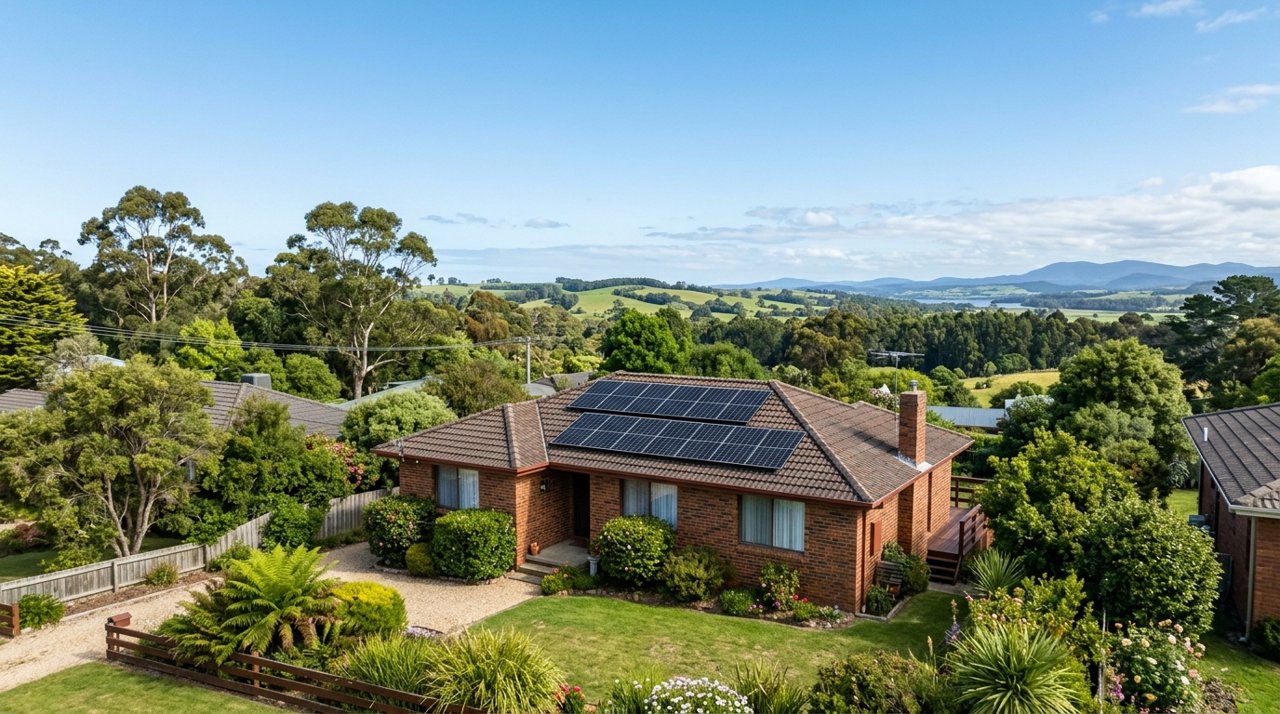
In related news, the minimum solar feed-in tariff also saw an increase from July 1, 2026, rising from 8.782 cents to 9.276 cents per kilowatt-hour (kWh), representing a 5.6 per cent increase. This means eligible customers exporting excess solar electricity to the grid will receive a slightly higher rate.
For new connections, certain legacy tariffs such as Residential Flat Rate (Tariff 31/41) and Off-Peak Afternoon Boost (Tariff 61) are no longer available. However, existing customers on these tariffs can continue to be charged at these rates, and new regulated single-rate tariffs are being introduced for residential and business customers. Further details on specific tariff rates for 2026-27 are available on the Tasmanian Economic Regulator’s website.